How predictive analytics is reshaping online gambling

What if you could see tomorrow’s sportsbook numbers today?
That’s the promise of predictive analytics — a data-driven lens that shows where the online-gambling puck is headed before it drops.
The stakes are enormous: analysts peg the sector at $138 billion by 2028, expanding at 9.1 % CAGR.
Yet volume alone doesn’t guarantee victory. Operators win by converting raw traffic into profitable, sustainable play — and that’s where prediction outmuscles guesswork.
Blask’s view? Visibility is power. If you can measure the pulse of every market hour by hour, you can out-plan rivals still flying blind.
Why prediction beats tradition.
Old model — set static odds, publish generic promos, pray the hold margin survives.
New model — stream terabytes of live data, train algorithms, update risk in milliseconds, feed each player a bespoke offer.
How AI already delivers
- 85% outcome-prediction accuracy
- 50% sharper fraud detection
- 30% higher engagement
- 20% less downtime
Five game-changing use cases.
1. Predictive tools for better outcomes
Live-odds engines now analyse player speed, fatigue, even weather, producing odds that update before the broadcast delay catches up. For bettors, it feels like magic. For sportsbooks, it’s an automated hedge against volatility.
2. Driving responsible gaming
AI spots wagering spikes, session lengths, deposit surges — then flags risky users long before harm occurs. Tie that with Blask’s Problem Gambling Status Metric and you’ve got a proactive safety net regulators love.
3. Optimising game development
Game studios feed engagement telemetry into ML clusters to forecast churn, RTP perception, bonus breakage. Result: slots tuned to healthy retention, not predatory drain.
4. Enhancing player experience with AI
Netflix nails recommendations because it knows what you want before you click. Predictive analytics brings the same personal touch to bet builders, odds boosts, and parlay suggestions.
5. Risk management & fraud prevention
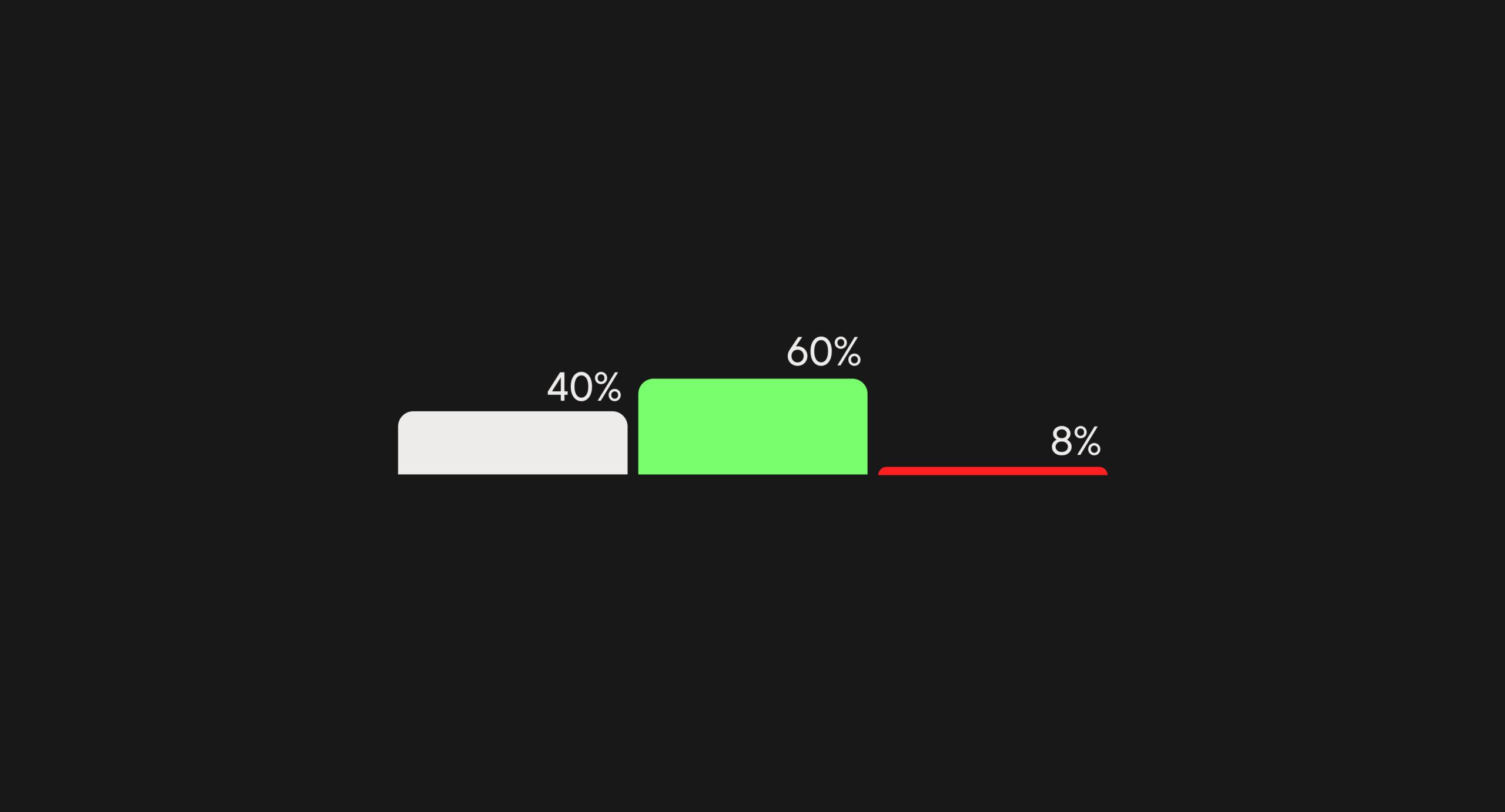
Synthetic IDs, payment muling, deep-fake KYC — fraud grows 64 % YoY (see below). Predictive scoring blocks rogue accounts in real time, saving seven-figure chargeback bills.
Under the hood — from raw signals to foresight.
- In-game monitoring
Collect millions of datapoints — event feeds, click-streams, payment traces. - Behavioural modelling
Cluster patterns: tilt sessions, bonus abuse, whales vs. casuals. - Predictive modelling
Run gradient-boosting, LSTMs, or transformers to forecast next action, GGR, churn.
A simplified pseudocode sketch:
events = stream.collect(window=”5s”) features = featurize(events) scores = model.predict(features) if scores[‘fraud’] > 0.8: trigger_block(user_id) elif scores[‘churn’] > 0.7: push_offer(user_id, personal_bonus)
Compliance & ethical edge.
Prediction isn’t only a revenue lever; it is increasingly the passport to holding — or winning — a licence.
Modern models screen wagers in real time against affordability thresholds, spot self-excluded users who try a fresh login, and auto-compile anonymised “health reports” regulators crave.
That same data discipline powers Blask’s Problem Gambling Status Metric, which flags risky behaviour hours — or days — before a human manager would notice.
✨ If you want the deep dive, we break down the metric in our article on responsible-gaming analytics.
Blask: market intelligence on steroids.
Traditional BI stops at your own database.
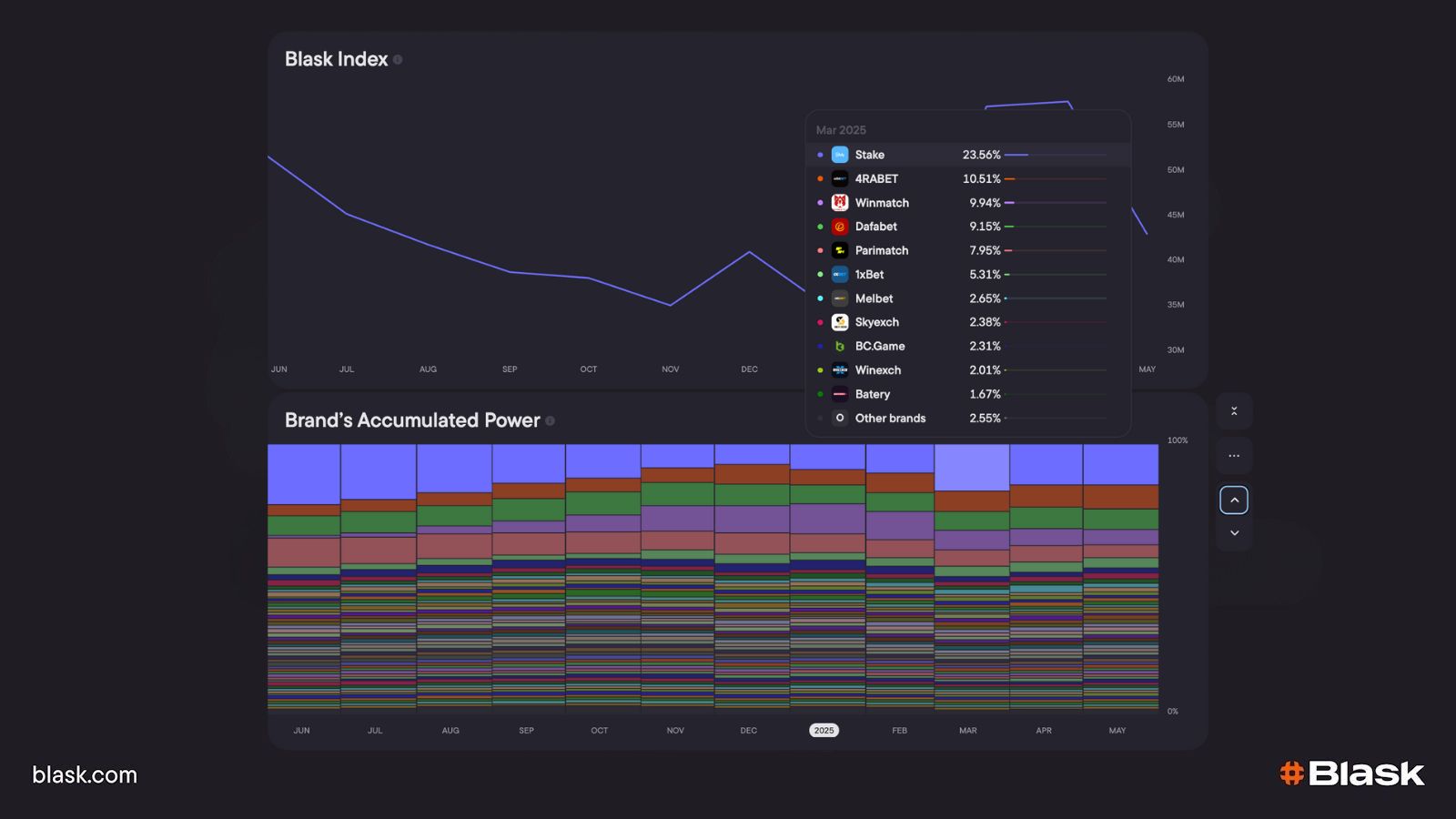
Blask pans the entire country in one hourly sweep. Our Blask Index metric converts people’s interest, while APS and CEB project first-time deposits and revenue for every brand on the board.
A single toggle shows which operators carry a “LOC” badge (regulated on-shore) and which sail under an international flag.
✨ Read more about this feature: Blask introduces local and international brand segmentation for regulated markets
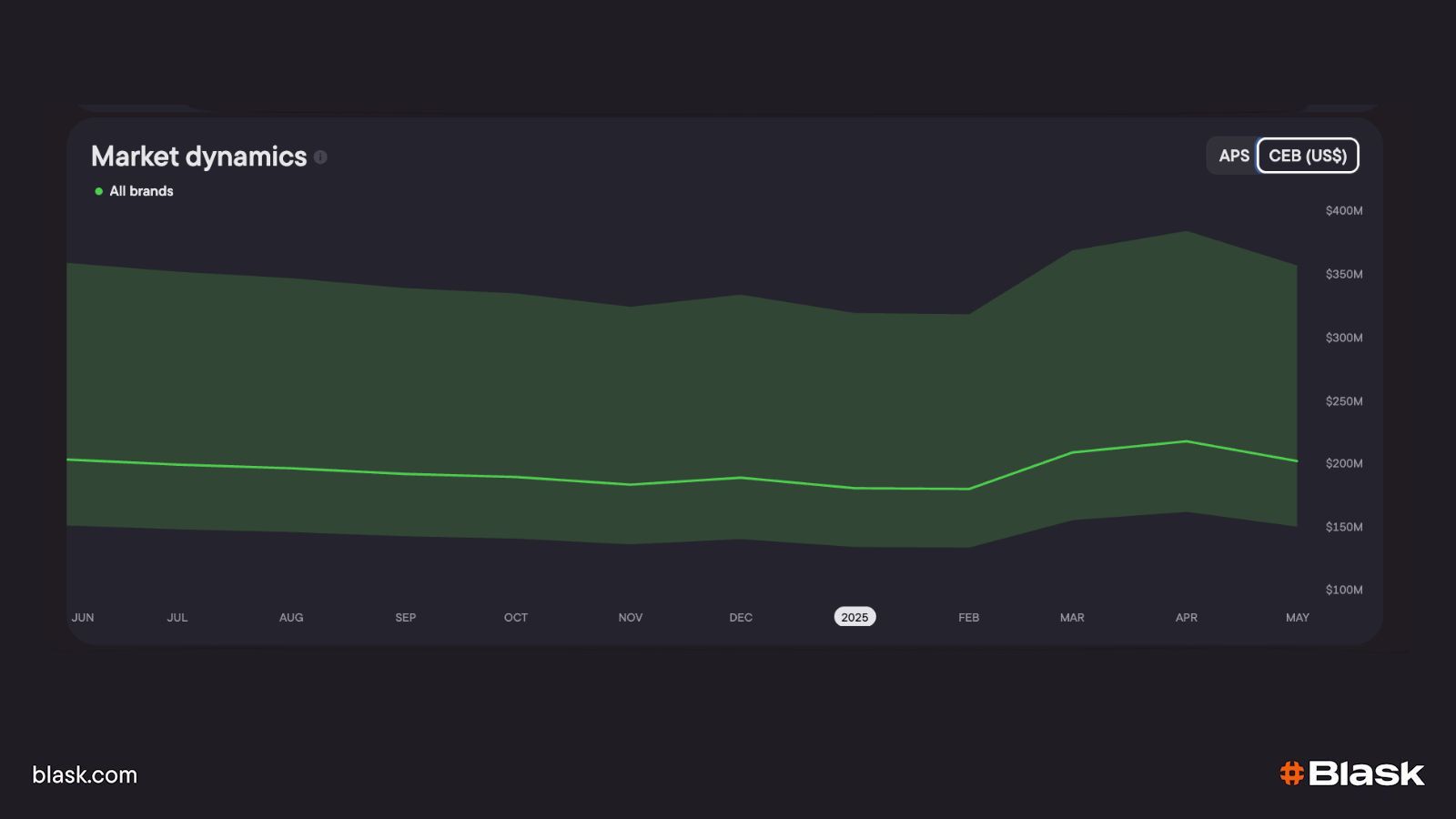
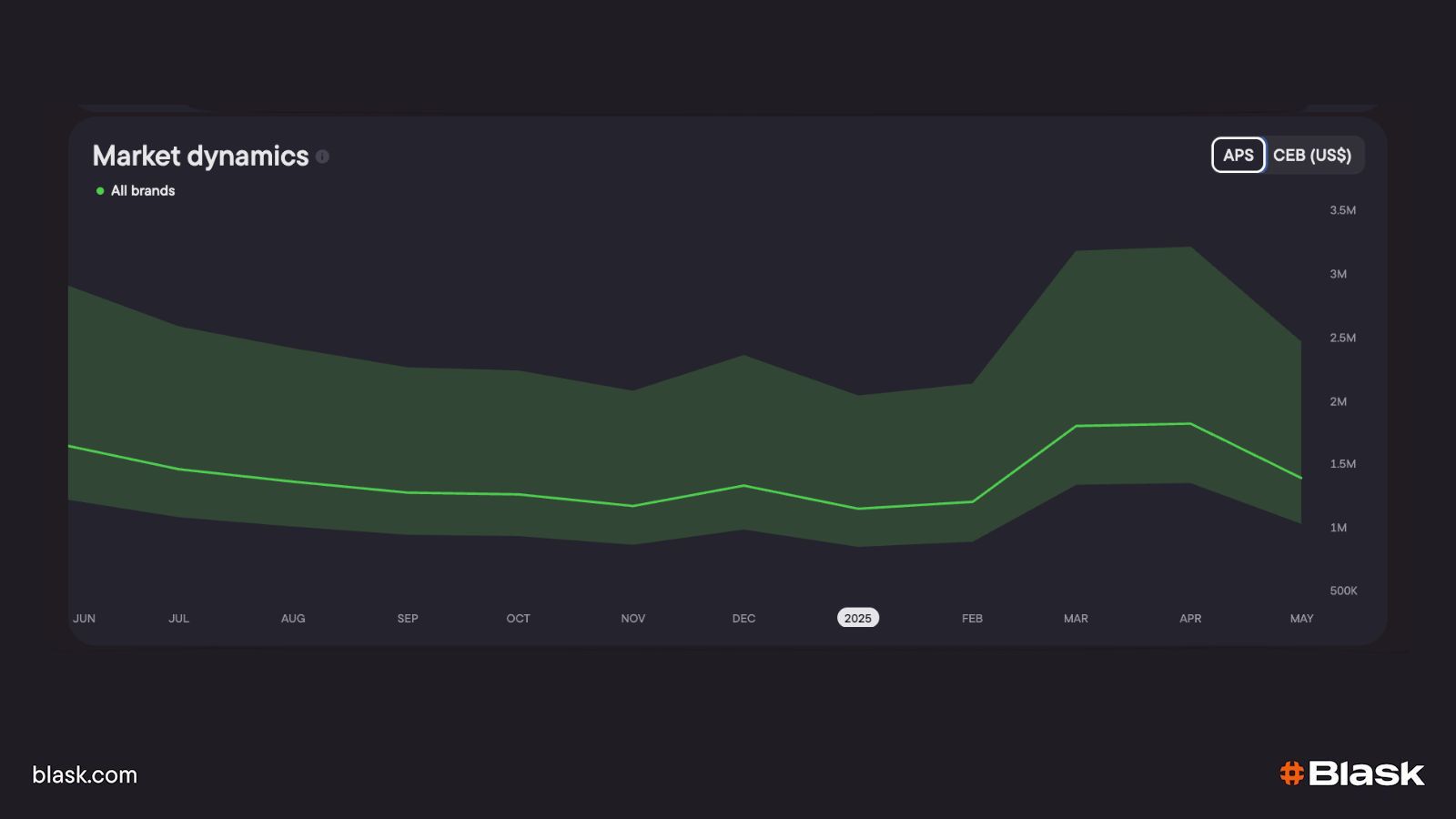
✨ For more inspiration, peek at six real-world playbooks drawn from our users.
Technical and cultural hurdles.
Operators rarely argue with the value of foresight; the pain point is wiring it into a 2005-era PAM still running on flat files.
Legacy stacks choke on real-time Kafka streams, and data scientists cannot train deep models without billions of rows to chew on.
Even after the pipes are in place, model drift remains a silent killer: a network trained on pre-regulation behaviour may mis-price a newly regulated market in months, not years.
Yet CEOs keep pushing because the upside dwarfs the retrofit bill. As SharpLink’s Rob Phythian puts it, “Once AI plugs in, the customer experience feels psychic.”
Responsible gambling in a personalised age.
Personalisation must raise a red flag before it raises the bet slip.
Well-built AI does exactly that: it shadows each session, compares current spend and velocity to a player’s historic pattern, and nudges the user toward breaks or deposit limits long before the spiral.
If those nudges fail, the system can lock marketing for that account or even trigger a cooling-off period.
In short, the same math that drives turnover also builds digital guardrails — proof that commercial ambition and consumer protection are not mutually exclusive.
Key takeaways
Predictive analytics turns raw data into foresight, Blask supplies the macro lens, ethical design keeps regulators close not hostile, and operators who master all three will run laps around spreadsheets and instinct.
Unlock real-time market foresightBook a Blask demo
Read more