

MarketsiGaming market growth by region: H1 2026 split the map
A 58.4 percentage-point gap separated the strongest and weakest demand shifts in this five-market benchmark. Revenue potential followed a wider range.



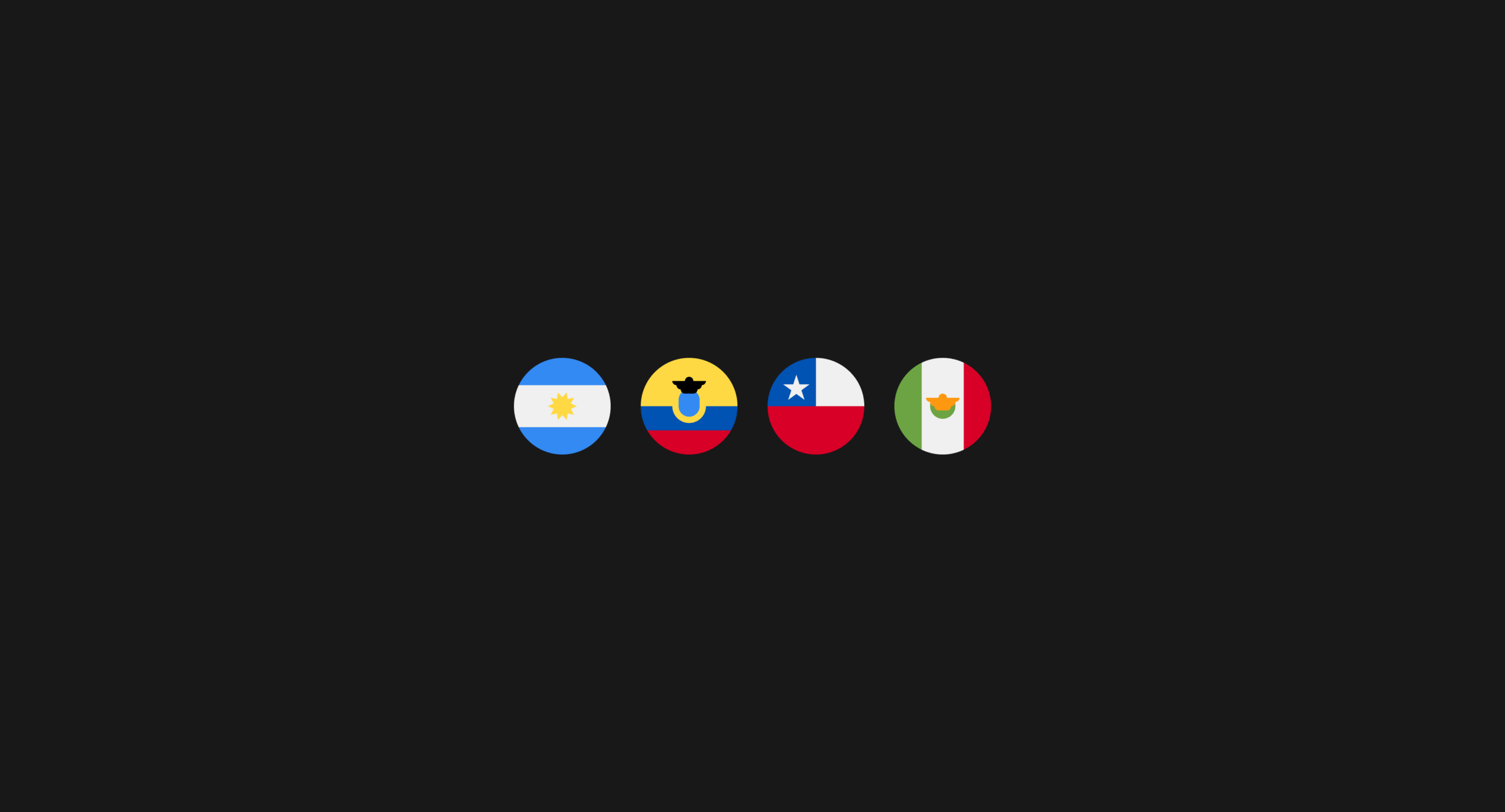
Fantasy sports have become one of the most participatory entertainment formats in the history of sport — a $28 billion industry that now spans six continents, dozens of platforms, and over 200 million active players worldwide. Whether you are a first-time participant, a seasoned DFS grinder, or an operator evaluating a new vertical, this guide covers every dimension of the space: definitions, history, formats, platforms, legality, and market size. The fantasy sports meaning, in formal terms, is a game of skill in which a manager assembles a roster subject to platform rules and accumulates points when their selected players produce real-world statistics. Touchdowns, home runs, rebounds, assists — every in-game action maps to a point value. At the end of each scoring period, totals are tallied, and the higher-scoring lineup wins the matchup. This metaphorical AI image reflects the idea of FS when you collect your own sports dream team. Fantasy sports betting is the most popular in the following countries: The first documented fantasy competition traces to 1962, when sociologist William Gamson organized a rotisserie-style baseball league at Harvard. The concept remained niche until journalist Daniel Okrent formalized it as Rotisserie Baseball in 1980. An Inside Sports feature in 1981 spread the game to enthusiasts across the country. For two decades, leagues ran by fax, phone, and spreadsheet. The internet changed the scale: Yahoo launched its free fantasy football product in 1999, attracting millions of participants overnight. ESPN and CBS Sports followed, turning draft parties into mainstream cultural events. The next structural shift came in 2009 when FanDuel was founded, and in 2012 when DraftKings launched — both offering single-slate, cash-prize contests that compressed an entire season into one game day. This format attracted intense regulatory scrutiny and, ultimately, new legislation across dozens of US states. The best way to understand what is fantasy sports is to see its working mechanism. The format varies by league type, but the core logic is identical: claim real athletes before competition begins. Points are awarded after games conclude, calculated from box-score data ingested from official providers such as SportRadar, Stats Perform, Genius Sports. Scoring rules vary significantly by platform and league settings. Winning requires active management throughout the season, not just a strong draft. Key decisions include: Modern platforms have integrated AI-powered lineup recommendations, injury alert systems, and trade analyzers. Season-long leagues are the traditional format. Users draft in late summer, compete weekly through the playoff, and invest in a roster across a full season. Daily fantasy sports compress that commitment into a single slate. On DraftKings or FanDuel, a manager builds a lineup on Sunday morning, plays it through the night’s games, and knows the result by midnight. In a redraft league, rosters reset every season. Users draft from scratch each year with no carry-over from the previous campaign. This is the most accessible format — low commitment, broad appeal, minimal research required before the draft. “Standard” leagues pair redraft rules with default platform scoring and positional requirements. Auction leagues give every team an identical spending budget to bid on players as they are nominated one at a time. Because every manager has equal access to every player, draft position becomes irrelevant. Stars command premium prices; bargains emerge mid-auction when budgets dry up. Auction formats are widely considered a purer test of player valuation than snake drafts and attract more competitive, data-driven participants. Keeper leagues allow managers to retain a set number of players — typically one to five — from the previous season’s roster before the new draft begins. This rewards long-term investment in young, developing talent and adds a strategic layer to every in-season roster decision. Dynasty leagues extend keeper logic to its extreme: full rosters carry over indefinitely, supplemented by a separate rookie draft each spring. Managing a dynasty team mirrors running a real franchise — rebuild cycles, aging cores, and multi-year blockbuster trades are all standard gameplay. Dynasty leagues attract highly dedicated participants willing to commit significant research time year-round. Best ball eliminates weekly lineup decisions entirely. Managers draft a full roster at the season’s start; the platform automatically selects each week’s highest-scoring combination of eligible players. No waiver pickups, no trades, no decisions after draft day. Platforms such as Underdog Fantasy and DraftKings Best Ball have popularized large-field best ball tournaments with guaranteed prize pools reaching into six and seven figures. There are several types of FS. Fantasy football is the dominant format in the United States The FSGA reports that NFL fantasy leagues account for over 77% of all US fantasy participants. The sport’s weekly cadence — one game per team per week — makes lineup decisions high-stakes and highly discussable, fueling a massive ecosystem of podcasts, analytics tools, start/sit columns, and injury news coverage. Core format variants: single-QB vs. two-QB (Superflex) leagues, standard vs. PPR scoring, and standard 10-team vs. larger 12–16-team leagues. The NFL’s popularity ensures that target share, air yards, snap counts, and usage data are all publicly available, supporting sophisticated analytical approaches that are relatively accessible to new players. Baseball’s 162-game season and multi-category scoring make fantasy baseball the most statistically complex format. Rotisserie (roto) scoring ranks teams in each statistical category — hitting: batting average, home runs, RBI, runs, stolen bases; pitching: wins, ERA, WHIP, strikeouts, saves — and sums the rank points. Head-to-head points formats are an alternative popular with managers who prefer…